Schools Prehistory | Museums displaying prehistoric artefacts

◊ Dear Microburins,

My friend Kim Biddulph at Schools Prehistory is compiling a list of museums whose displays (and resources for children) include items from the Stone Age to Iron Age. I’ve sent details of some North Yorkshire and North-east museums not currently on the list:
  • Ryedale_IAhut2Palace Green Library, Durham City
    A new gallery tells the 10,000 year story of Durham from the ice age to modern times.
  • Museum of Hartlepool, Jackson Dock, Hartlepool
  • Ryedale Folk Museum, Hutton le Hole, North Yorkshire
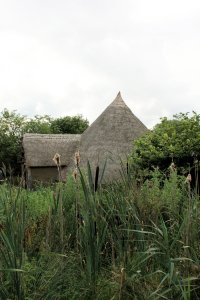
    Displays Include antiquarian flints and stone axes, extra-ordinary finds from the “Windy Pits” and a waterlogged Iron Age Settlement. There’s a fantastic reconstructed Iron Age round house and some rare breed livestock.
  • Sunderland Museum and Winter Gardens, Borough Road, Sunderland
  • Swaledale Museum, Reeth, North Yorkshire OLYMPUS DIGITAL CAMERA
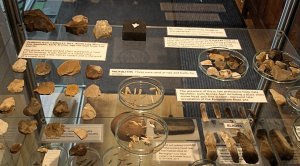
    This small yet fascinating museum includes stone age flint and chert tools dating back to the Mesolithic and Neolithic periods (Tim Laurie collection).
  • Wensleydale, Dales Countryside Museum, Hawes, North Yorkshire
    Includes flint tools that likely date back to the late Glacial Upper Palaeolithic (13,000 years ago) discovered in Wensleydale (Tim Laurie collection).
  • Whitby Museum and Art Gallery, Pannet Park, Whitby, North Yorkshire Fylingdales
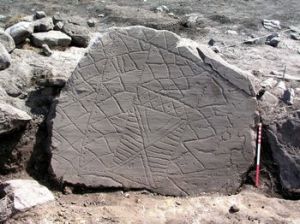
    The museum is an amazing place to visit and still retains its eclectic Victorian “collectors” atmosphere. There are stone age flint tools as well as Bronze Age pottery and bronze artefacts. A replica of the decorated Neolithic stone discovered after fires on Fylingdales Moor sits alongside finds excavated in the early 20th century at Roman signal towers along the Yorkshire coast.

Neolithic stone from Fylingdales Moor | Credit: Graham Lee, North York Moors National Park Authority.

If you have other suggestions (and you can include images with permissions), please contact Kim and the team using the form on this web page »

About Schools Prehistory

Schools Prehistory was set up in 2013 by a group of archaeologists and educators to help teachers and heritage educators get ready for the prehistory element of the new primary history curriculum at Key Stage 2 in England. They are available for consultancy, to run training or workshops in schools and museums. They also sell information booklets designed for the non-specialist on their website—more lesson plans and supporting resources will be coming soon. They are also developing good quality replica object-handling boxes for sale. Keep up to date with what’s happening on their blog »

  • Read about the introduction of prehistory into the English national curriculum in Kim’s article published in the Teesside Archaeological Society BULLETIN 19 (2014–15, pp 37–41) » PDF extract

Spence

Charting Chipeling | Kiplin Hall archaeology exhibition opens 3 April

◊ Dear Microburins,

I’m pleased to announce here that an archaeology exhibition opens on Good Friday at Kiplin Hall near Catterick, North Yorkshire and runs until 28 October.

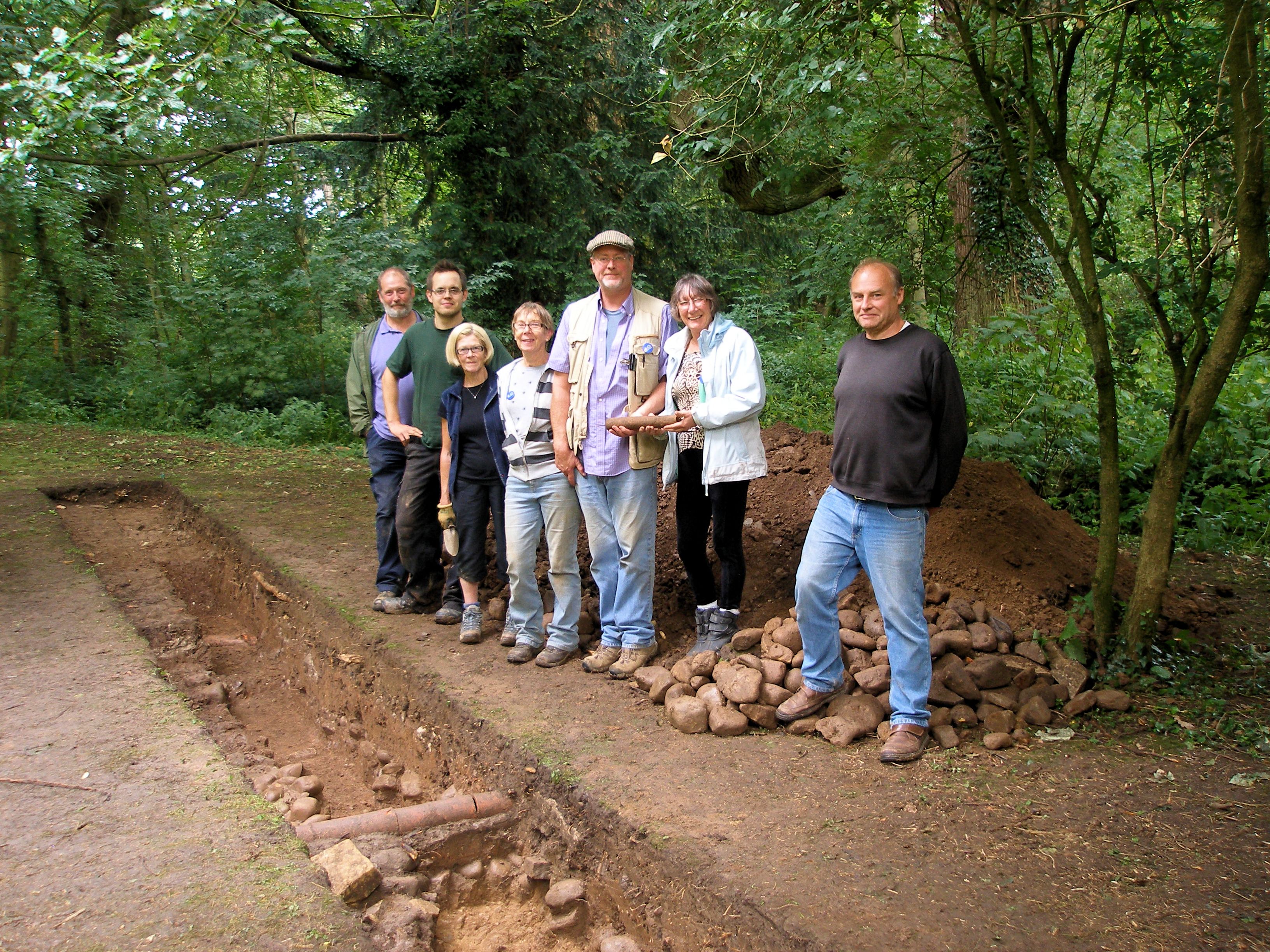
One-thousand-and-one finds will be on display tracking the prehistory and history of the hall and its estate from the Mesolithic to WWII. This was a fantastic community dig to be involved in last year, truly cross-community, generations and backgrounds, including students from Maryland University. Hopefully there’ll be some great pictures from the inaugural open evening event just before the public launch (my esteemed professor will be there, so I’ll need to prep!).

The monograph on the 2014 excavations is due later this year with Jim Brightman, Solstice Heritage, pulling together the specialist reports, including the prehistoric flint and chert lithics by you know who. My favourite find, however, remains the racing pigeon leg-ring with serial number from the 1960s found in proximity to gun cartridges.

Originally one of Easby Abbey’s monastic granges, Kiplin Hall is a gem of a stately home, trust and volunteer-run, with fantastic grounds, a huge lake, walled garden—you can often buy the lush produce—and plenty to see in a tranquil setting a few miles from the A1 near Brompton-on-Swale and Scorton. A watching-brief excavation in January this year, in a pipe trench, also seems to have revealed evidence for the pre-Jacobean manor’s demolition deposits.

Spence

Bifacially speaking | TimeVista Archaeology is alive

TimeVista_Logo_BW2◊ Dear microburins, It’s been brewing for a little while. Spurred on by successful paid work through this year, a burgeoning human network on LinkedIn, the time seems right to make a full commitment to archaeology. Now’s the time to draw a line between the past career and the palpably exciting prospect of doing what I’m passionate about. It’ll be an experiment, for sure, and I’m certain there are going to be some difficult moments.  TVeye_sq1Nor does this all mean turning my back on twenty-odd years in the private sector. I’m seizing the chance to mesh together the skills and experiences gained in operational and project management with those of commercial archaeology. This is surely reflexive change management, difficult though I am as the patient / customer / opportunity. Procrastination is too easy. I’d regret it for the rest of my life if I didn’t give it a try, extraordinary as it feels. So, TimeVista Archaeology is the new professional shop front, leaving microburin as the informal loud hailer, perhaps conscience. There’s much still to do: I need to sort out my CSCS safety card (deconstruction skills), Chartered Institute for Archaeologists application (peer review or die) and, if I’m to engage with activities to support prehistory in the national curriculum, I probably need a good vetting too – there’s a kid still inside this yellow-hatted archaeologist, which is a start. Of the many realities of being in one’s forties is to realise (a) there’s no such thing as grown-ups; (b) it’s OK not to like jazz, allegedly; and (c) apostrophes’ and, commas are very important indeed. That leaves me to thank you for your Microtalksupport, to wish you and yours a Merry Christmas and a rewarding, peaceful 2015, until next I holler from behind the spoil heap. ♦ Spence | “good with archaeology”
TimeVista_Web05

Mesolithic silly season | Seals in the Tees

Dear microburins,

Mesolithic Spence (or The Mighty Microburin as DigVentures labelled my dorsal face, ha!) is back in London. The digging season, I’ve been away pretty much since June, is complete so that I can focus on commitments around the festive season: a few lithics reports to finish, fieldwork to write up, two journals to edit, somebody important to hug, readiness for the Teesside Archaeological Society (TAS) AGM in January, an endless list although the phone still rings with offers of commercial work. That’s good news. Clear the decks! My formative commercial presence, embodied in a website, is also nearly finished as I sit eying up mam’s rum-laden Christmas cake, exuding its rich and mind-altering odours, on the almost-too-high-to-reach (a legal high?) shelf. Heavens: I’ve already procured the Wensleydale cheese to accompany it.

TeesProjectLast week in the north-east was jam-packed and rich with opportunity. The River Tees Rediscovered HLF Landscape Partnership project kicked off its heritage & archaeology steering committee with a great scoping and idea-sharing session at Tees Barrage (literally in the barrage’s south tower) overlooking a seal, yes in the Tees, with a whopping fish in its mouth.

Saturday last saw the equally compelling AASDN (Durham and Northumberland Arch & Archs) day workshop, supported by CBA North and TAS, focused on the planning process and building stakeholders around ‘heritage at risk’ advocacy. It was fantastic to meet old friends, some throwback blasts from the past, and to make new friends too. I’ll write more about both very soon. I also wish all the candidates good luck for the Local Heritage Engagement Network officer (LHEN) at the Council for British Archaeology – interviews underway. Congratulations too to Tara-Jane Sutcliffe on her new role as Antiquity’s operational editor. I know she’ll be missed at CBA after a compelling and energised tenure there.

Durham day workshop on the planning process and heritage advocacy. I’m hoping we can do a Teesside-based follow-on session in 2015.


Meantime, my friend David Mennear, aka These Bones of Mine blogger, published another excellent post about the Bradford Uni Lithics Lab and lithics use-wear PhD research – as always an excellent and read. Likewise, another great friend Lorna Richardson has just published an insightful paper, based on her doctoral thesis (she is Dr Lorna now with bells on), concerning themes of authoritativeness, expertise, reputation and inclusion (or otherwise) in a social-media-mediated digital world. I highly recommend the read. And celebrate the fact that Internet Archaeology is a fully free open access journal – hurrah!

RFS_Tale_01Lastly, Clive Waddington published the popular book about Low Hauxley and the Rescued from the Sea project which completed last summer. It’s lovingly written, celebrates the community venture that made it all possible, certainly isn’t a dumbed down rendition of complex archaeology, and is beautifully illustrated – a bargain at £10 from the Northumberland Wildlife Trust’s website.

Hopefully I’ll come up for air soon, and perhaps I’ll see you at TAG (Theoretical Archaeology Group) Manchester later in December?

Spence

A very nice tweet indeed | Microburinesque Mesolithicology

Dear microburins,

Should this blog carry a safety message? ‘May contain burin spalls’? Meantime, Microburin is in north Northumberland on a commercial stint for a change. Be off with you, altruism!

CCCU_Twitter

Spence

About the microburin header image | Teesside oasis

Liminal Land of Moors and Cliffs, Molten Iron, a Sea of Ships and Turbines

Dear microburins,

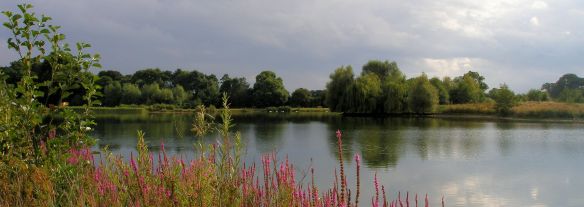
cropped-image_emc_banner_overlay2.jpgA few folks have asked about the header image on this blog. The background image is a regenerating birch-ringed wetland on the Eston Hills, an outlier of the North York Moors overlooking the Tees estuary. The views extend northwards over industrial Teesport and Middlesbrough, with the petro-chemical industries, controversial gas power plant (and domino cascades of infuriating pylons because subsurface cables were too expensive for the North) that creates supercell plumes of artificial steam clouds which reflect the orange flares—so that it never gets dark on Teesside. The haunting glow can be seen from even the most secret dales.

Wiki Commons | CC | Stephen McCullockTo the north-east are the now-rescued blast furnaces on the coast near Marske and South Gare, with the offshore wind turbines providing a cocktail stick backdrop. As a kid, and even today, driving past the furnaces when they’re fired up is like witnessing a man-made volcano—hell, fire, molten iron and limestone—with its own esoteric and brutal beauty even if many wish it wasn’t there. Teesside is a 19th-century man-made contrivance. You can smell and taste it too. Farther north, the vista takes in Hartlepool beyond the nuclear power plant, Seal Sands (RSPB) and offshore prehistoric forests, where Heiu’s monastery was established on the headland in the AD 640s before being handed over to St Hilda by Bishop Aidan in 649, target for German shells and Eston Moor_wetland_to N_2010-08Zeppelin raids in WWI. On a clear day the view extends towards Sunderland on the Wear past the post-industrial, post-Scargill-and-Thatcher, limestone coast riven deeply by streams through lush woodland and wild flowers (e.g. Castle Eden Dene, an SSSI and National Nature Reserve).

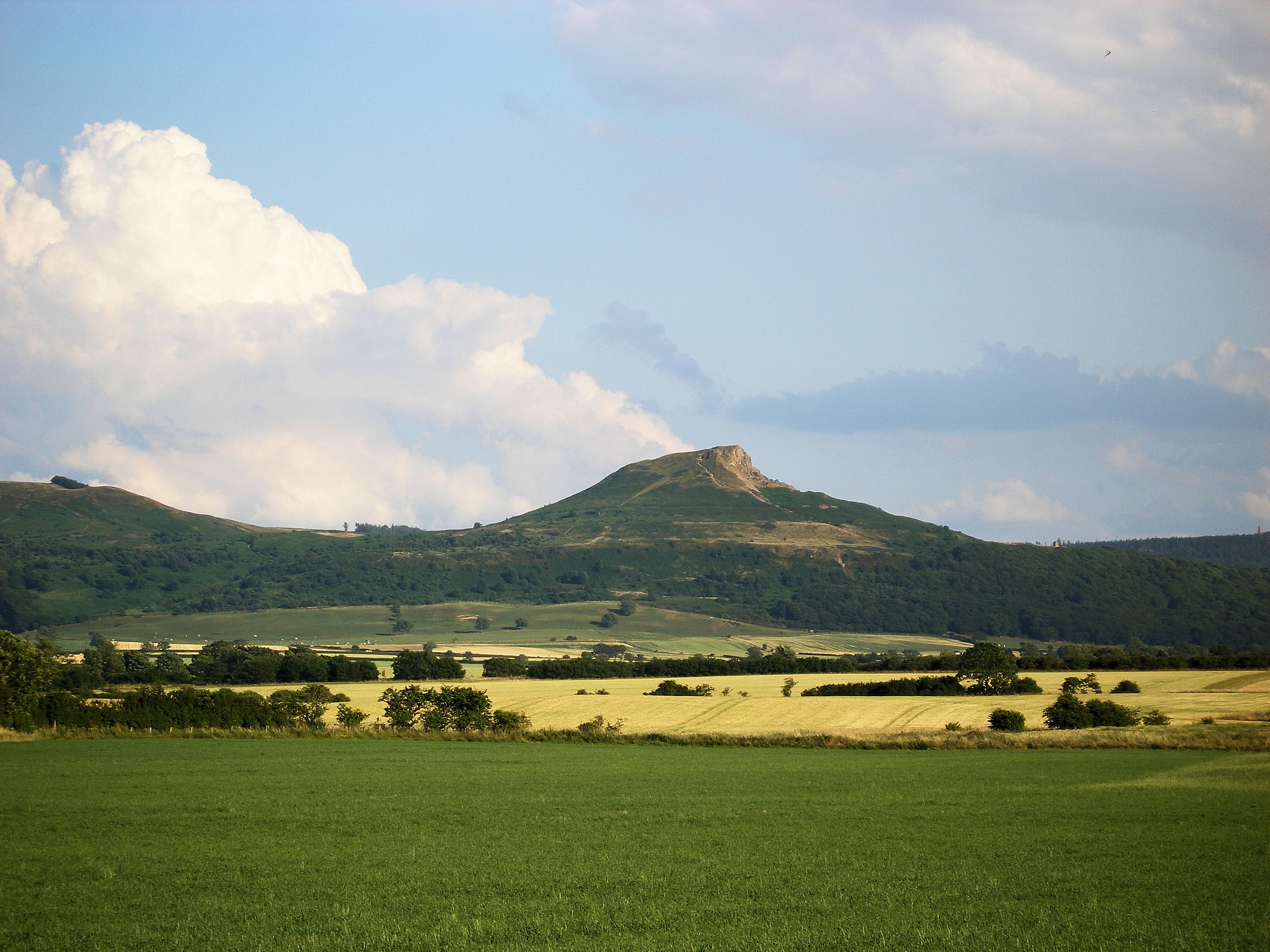
To the south, the view is dominated by Roseberry Topping and the northern escarpment of the North York Moors and buttresses of the mighty Cleveland Hills. This was a glaciated wilderness down to the River Esk some 12,000 years ago, dotted with ice-locked lakes. It’s only modern pumps that keep lake Seamer, near Stokesley, manageable today. When the pumps break, the wetland returns.

(c) Yorkshire PressThe Eston Hills are effectively a parchment narrative, a peat-covered moorland island, upon which over 10,000 years of human activity are scribed. The hills are undercut with many 19th-century ironstone mines (the last only closed in 1949), industrial heritage, and graffiti. The tops reach their highest point at Eston Nab, once a Napoleonic signal tower set within a Late Bronze Age hillfort. Collared-urn burial mounds with cup-and-ring rock art peek through the heather. Prehistoric lithics, mostly of flint, attest to activity from the Early Mesolithic (Deepcar type) around the 9th millennium BC, Late Mesolithic (narrow blade technology), Early Neolithic (pressure-flaked leaf arrows and later oblique projectile points) through to late Bronze Age (barbed and tanged arrows, and thumbnail scrapers). Iron Age and later activity migrated to the more fertile lands at lower altitude—a testament to a combination of climatic and man-made events that, ultimately, formed the moorland landscapes we know today.

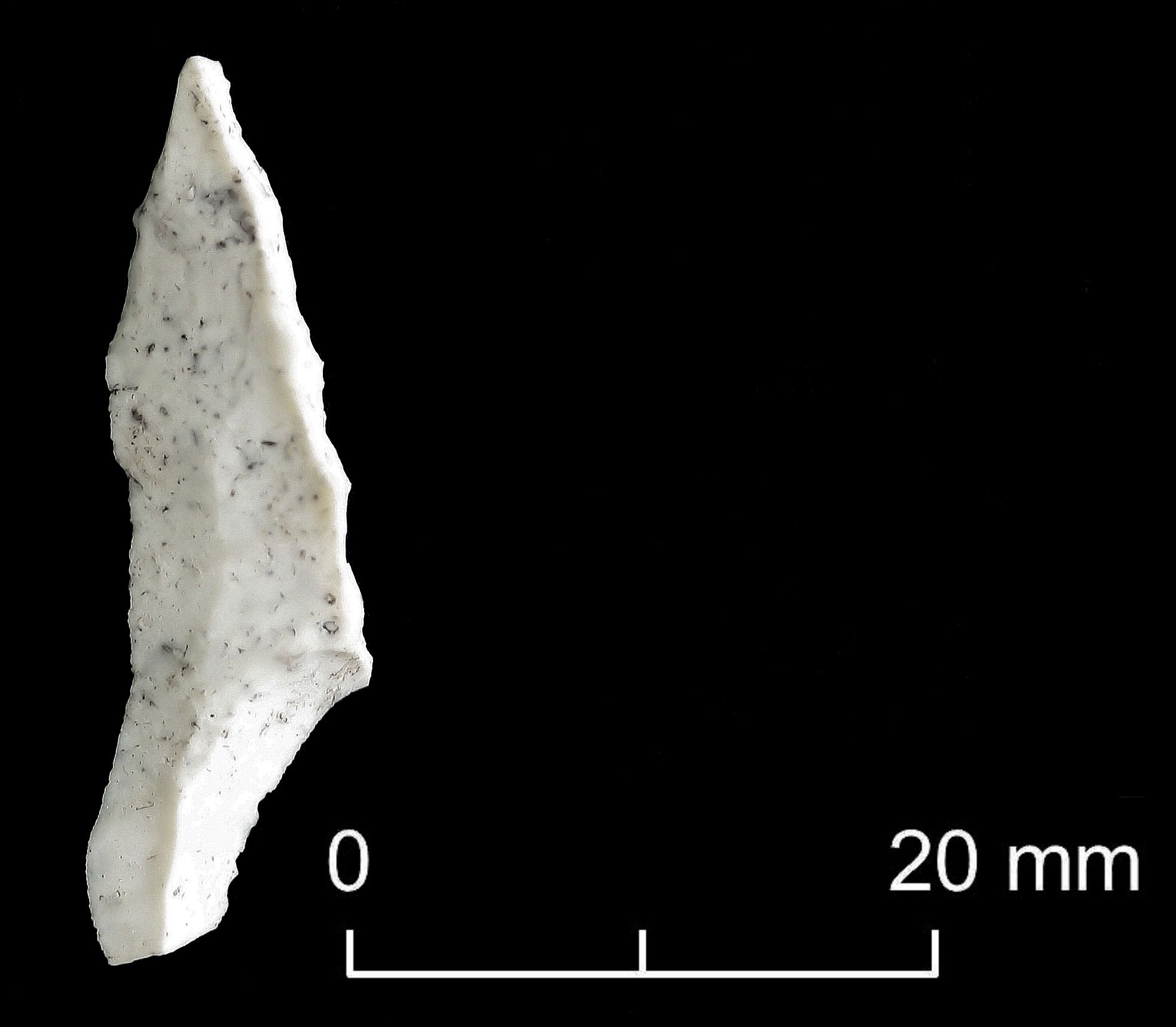
Microlith_EMDC_TeesReturning to the header image, the ‘monolith’ is one of the Early Mesolithic microliths found close to where the wetland picture was taken. It’s a broad blade obliquely truncated type with leading-edge retouch. Similar microliths have been recovered from neighbouring fields (now in different museum collections). We also have similar hints on regional promontories and escarpments such as Highcliff Nab above Guisborough and Danby Beacon. These were the first post-glacial re-colonizers of our ice-ravaged landscape.

The Mesolithic deer and hunter image is, I think, from Los Caballos in southern Spain although I do seem to have misplaced the original image.

Spence