 Microburin—in the guise of TimeVista Archaeology—is delighted to have been invited by Elmet Archaeological Services Ltd, a community-based enterprise, to deliver the latest in hopefully a number of Lithics Workshops. There’ll be plenty of Mesolithic. The next scheduled session is Sat 5 March 2016 at Wath-Upon-Dearne between Sheffield and Doncaster, England | Booking info »
Who it’s for
The workshop is aimed at anybody with an interest in British prehistoric archaeology and stone tool technology, whether actively involved in fieldwork, designing a project, or just generally interested by what they see in museums and in the media. This is an informal workshop with plenty of opportunity for questions and discussion.
Description
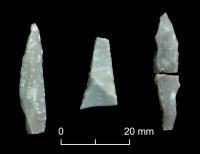 This workshop will use select prehistoric teaching artefacts—and a gun flint!—in hands-on sessions to explore the importance of flint and chert in prehistoric northern Britain, and what kind of insights archaeologists can deduce. Using mock-up flint assemblages—with tools and debitage—participants will also learn how to approach the analysis and recording of lithics. Case studies from north-east England will show the kind of narratives that can then be constructed.
Key Topics
- Natural or human? | The nature of flint and chert, how to tell if it has been used or worked
- Signatures in stone | Technology of knapping, nomenclature, attributes, form, function and symbolism
- Keyholes to the past | Key lithic indicators and changes through time, material culture associations and typologies
- Lithics matter | Important research questions, things we know and things we don’t, occupied spaces, human mobility and exchange
- From field to desk | Good practices in field-walking and excavation, how to approach assemblage analysis and recording, cataloguing, principles of illustration and photography
Lithics Training by TimeVista
If your group or organisation, whether commercial or community non-profit, is interested in receiving similar training—for example, as part of your staff CPD or a field project—please get in touch with me at TimeVista Archaeology to discuss opportunities.

 Kim Biddulph, director of Schools Prehistory, has launched a series of podcasts where she invites archaeologists and experts in teaching prehistory to review books about the Mesolithic period.
 Kim, yer own Microburin, together with Caroline Wickham-Jones (University of Aberdeen) will be exploring Margaret Elphinstone’s incredibly well-researched novel The Gathering Night (2009, Canongate) later in October, as well as pondering Doggerland, cold snaps, tsunamis… and a lost son.


 I Love Museums is a campaign led by the National Museum Directors’
 ♦ Spence
 microburin