Mesolithic North East Yorkshire | Free Tees Archaeology Report

◊ Dear Microburins,

Meso_NEYorks_TeesArch2Tees Archaeology and Historic England have just published a summary report about the North-East Yorkshire Mesolithic Project that completed recently. The report is aimed at a general readership and accompanies an illustrated e-booklet aimed at kids, as well as a guide to prehistoric lithics (flint).

Although Teesside is perceived as a recent industrial landscape, the natural history and archaeology is all around. We have definite evidence for the early post-glacial pioneer colonisers, reindeer hunters, around 8500 BC—the Early Mesolithic—as well as evidence for the filling out of the landscape in the later Mesolithic into the advent of Neolithic farming communities and monument builders. This is a long six-thousand year epoch and one of rapid climate change, warm-and-cold events, rising sea levels, a tsunami, and the creation of today’s Island Britain.
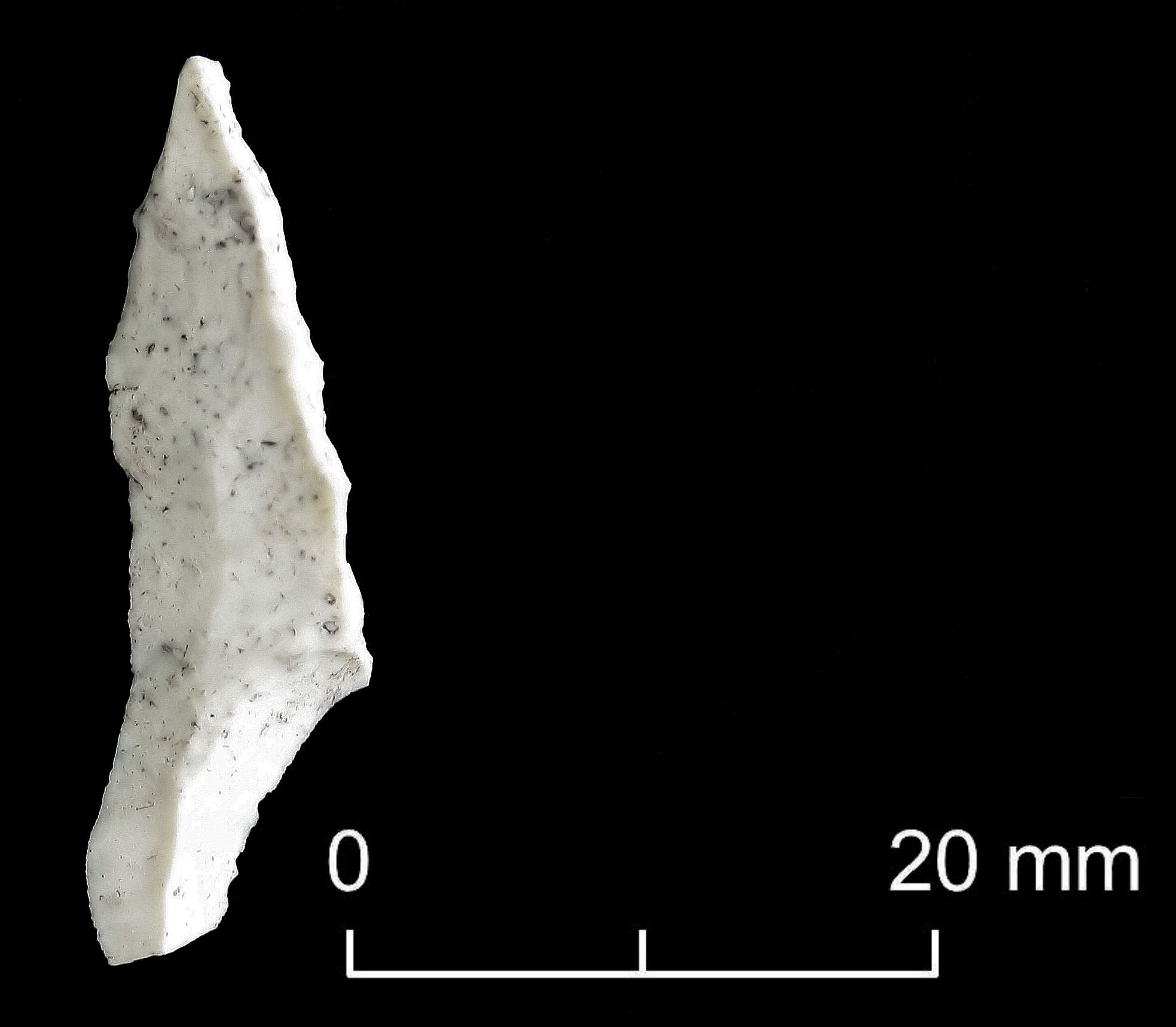
Microlith_EMDC_TeesEarly Mesolithic flint projectile point, Deepcar type, c. 8500 BC (a little later than Star Carr) from Eston Hills, Teesside. White flint has sources in East Yorkshire and Lincolnshire, many tens of kilometres away. These rare but characteristic tools are found along river valleys.

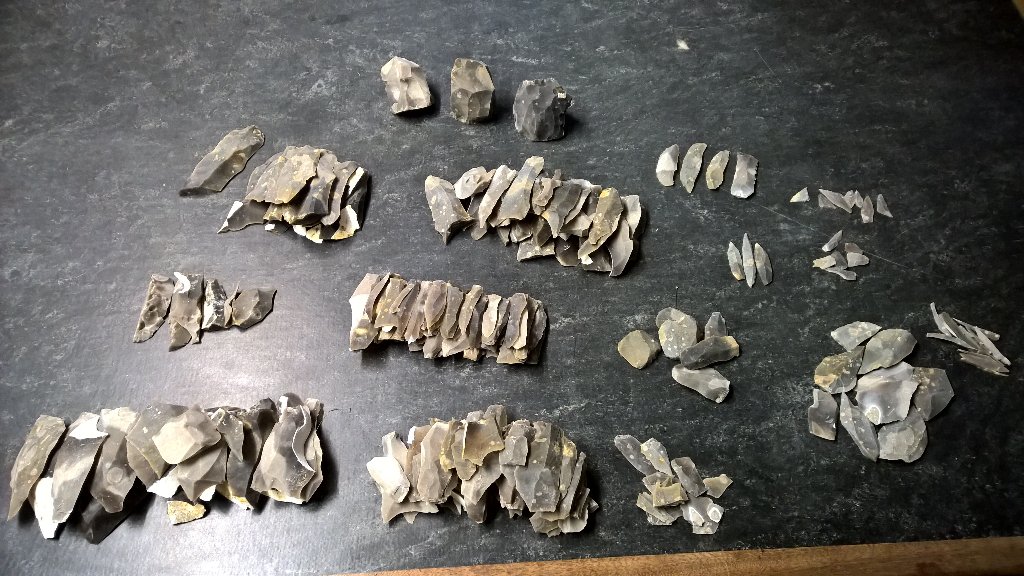
TVA_LateMesLate Mesolithic flints from the North York Moors, c. 8000-4000 BC. Left are geometric narrow-blade microliths, usually used as projectile arrow barbs but also for other tasks; Top right are microliths and utilised flint blades; Bottom right is a core from which blades have been removed for working into tools. Coloured and speckled flint comes from beach and glacial till deposits on the NE coast and can still be picked up today. Some has been dragged over from Denmark and chalk beds now under the North Sea.

Spence

You’ll have seen the news? | Star Carr engraved pendant

Dear Microburins,

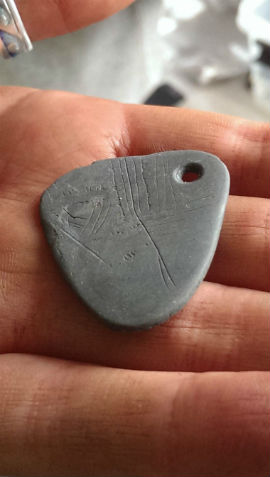
SC_PendantPress-released on 26 February by the University of York, you’ll likely have seen the news about the Star Carr Mesolithic engraved shale pendant. The usual mix of media headlines—from secret codes to shamanism—perhaps mask the incredible scientific analyses which are presented in the open-access Internet Archaeology academic article, including the archaeological context, a suite of images (with 3D), analysis techniques, and an assessment of comparable engravings from UK and European finds.

Spence

Image: Dr Harry Robson, Department of Archaeology, University of York.

Stones Tell Stories | James Dilley knaps replica teaching assemblages

◊ Dear Microburins,

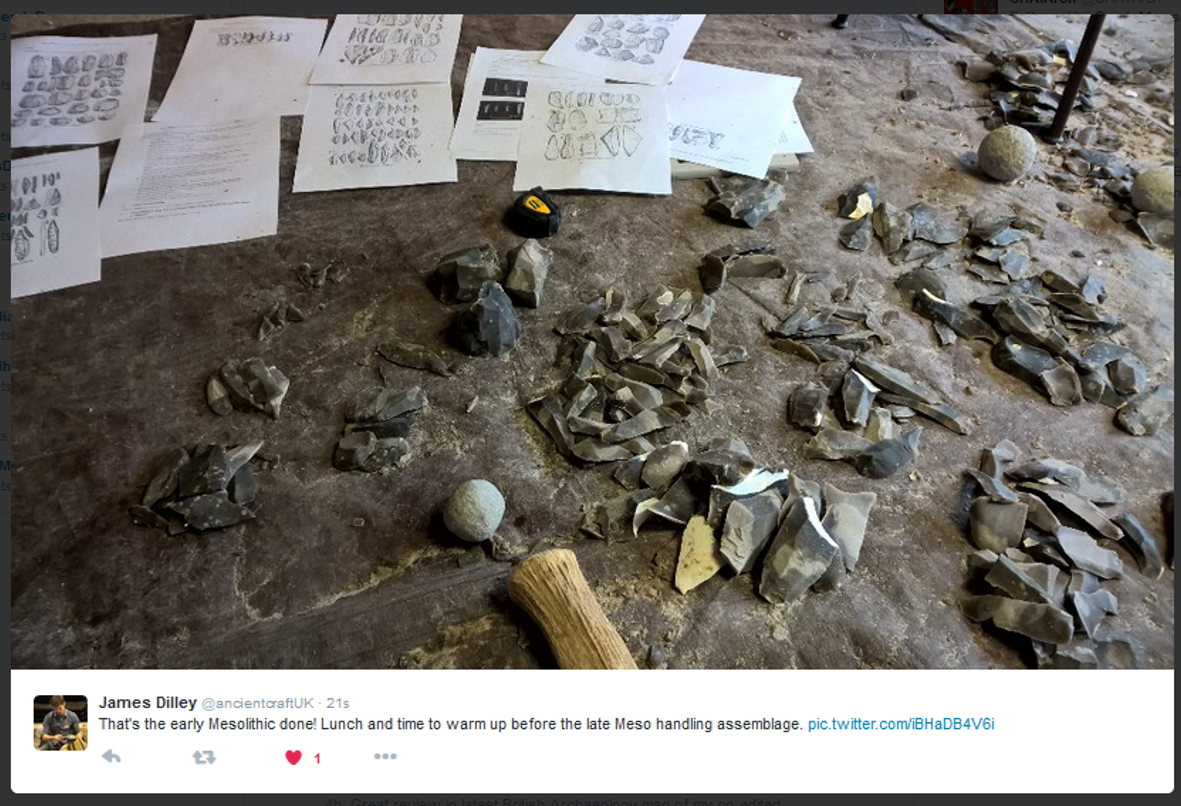
The extraordinary James Dilley @ancientcraftUK is working through multi-period replica assemblages for my lithics training workshops this year, and beyond. The workshops deal with the archaeological aspects of lithic assemblages—chronological trends, research questions, technology, typology, identification, function, field archaeology best practices, analysis, recording and interpretation. The teaching materials also include other material culture associations, such as ceramics courtesy of Graham Taylor @pottedhistory and Bronze Age artefacts by Neil Burridge.

Dilley_Teaching


Grim_candidate JD2 Grimston_neolithic-pottery SC-Mic
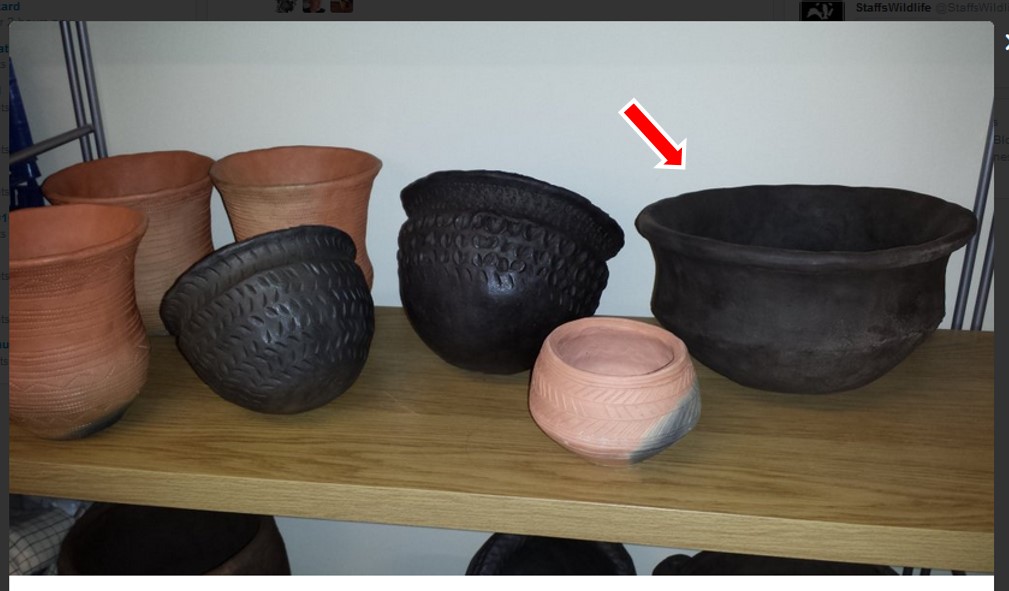
Selecting the correct pottery and lithic types to illustrate typological and material culture changes through prehistory. The pottery here is early Neolithic Grimston Ware from Yorkshire (c. 3800-3500 BC) and Early Mesolithic microlith flints from Star Carr (c. 8770-8460 BC).

What’s particularly useful in the expert knapping that James is undertaking is that each of the four period-based assemblages will be near complete, or at least a representative sample of coherent reduction sequences and artefact manufacture. James is also going to intentionally break some pieces.

The Reality of Bias

In reality, in the field:

  • Recovered lithics often represent multi-period mixtures where places have been visited and revisited over time (persistent places);
  • There is variation in past human activity in space and time, from the selection and testing/rejection of raw materials, stages of reduction and tool manufacture, selective or even random events in the movement, breakage, discard, use and re-use, caching of raw materials and artefacts—we call this the chaîne opératoire;
  • There are biases in survival, including disturbed contexts, where lithics are residual (not in original context) because of later activity or natural events, including agriculture and movement in sediments;
  • There are biases in archaeological recovery, whether intentional sampling or uncontrollable factors related to the nature of the recovery techniques employed—and of course in the ability to identify a lithic and human interpretation, always subjective to a degree, of assemblages.

artisans at large

Spence

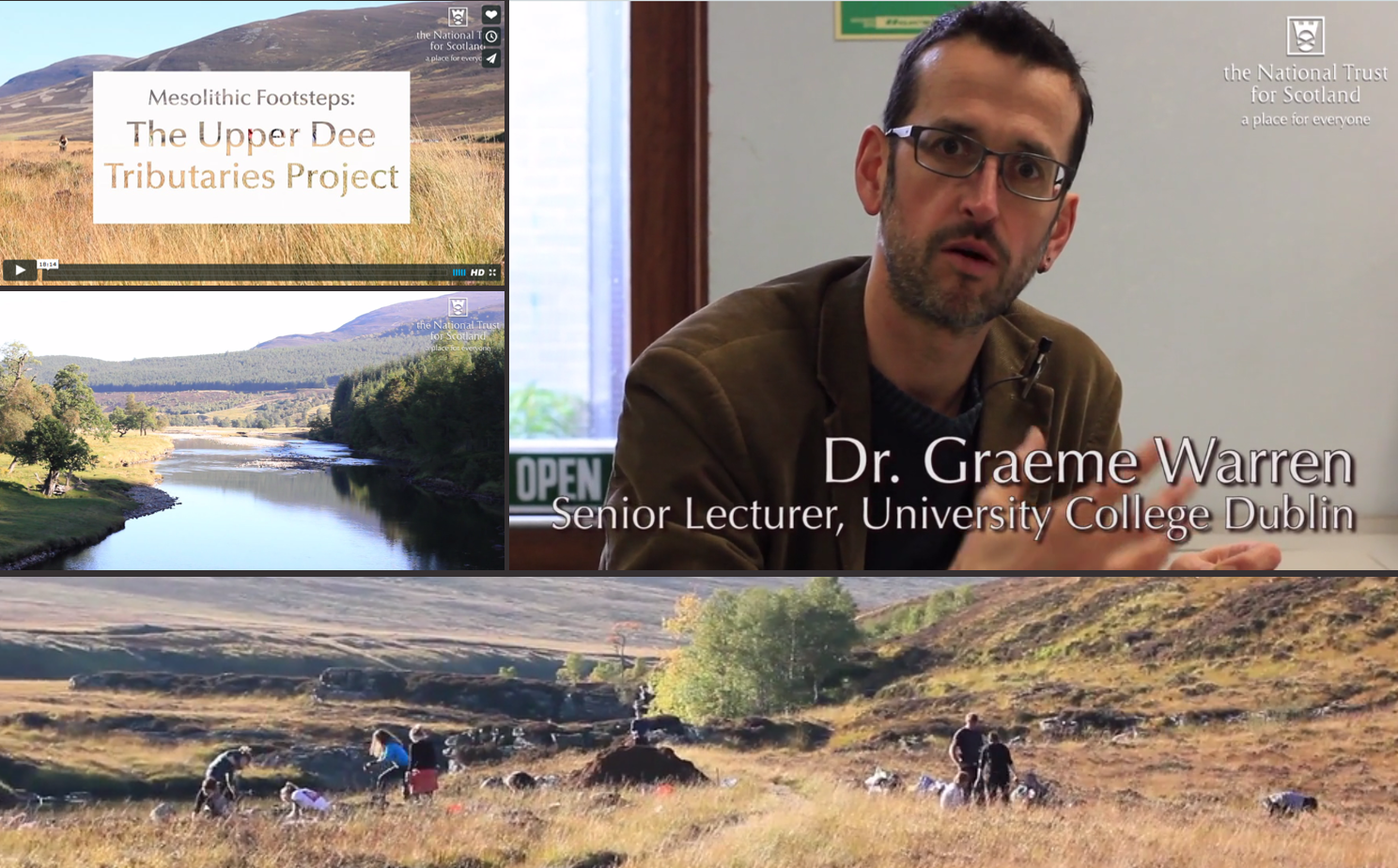
Mesolithic Footsteps | Upper Dee Tributaries Project video

Dee◊ Dear Microburins,

A new video on Vimeo released this month about the project in Scotland. Thanks to Caroline Wickham-Jones for sharing.

“Get behind the scenes with archaeologists and scientists as they explore 10,000 years of human history on the Mar Lodge Estate – uncover the links between tiny flint tools, climate change and pit-roast venison.”

Spence

Dearne Valley Archaeology Day 2016 | Pioneers, Hangers-on and Newcomers

Elmet◊ Microburin is delighted to have a poster accepted for Elmet Archaeological Services popular archaeology day, Sat 28 May at Dearne Valley College, South Yorkshire – with a keynote address by Carenza Lewis!

Pioneers, Hangers-on and Newcomers:
New Evidence for Early Mesolithic, Late Mesolithic and Neolithic Transition in North-East Yorkshire

Spencer D Carter
Honorary Research Fellow in the Department of Archaeology, Durham University

Keywords: Mesolithic, Neolithic transition, Lithics, Radiocarbon dates, Palaeo-environment

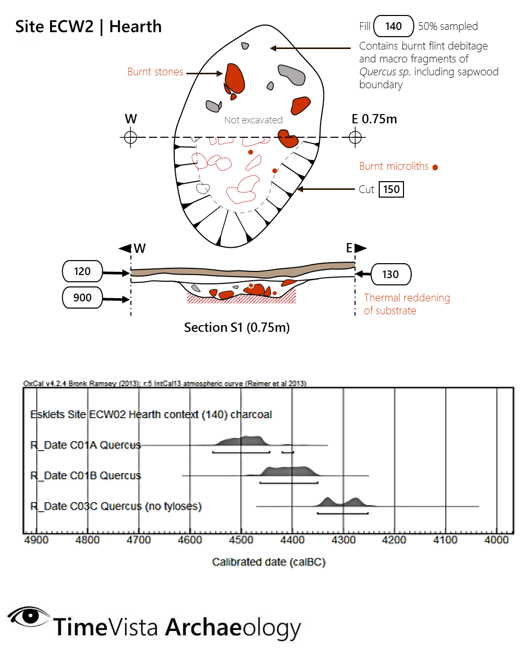
TVA_ECW2Our understanding of the late and post-glacial archaeology of north-east Yorkshire and the Tees–Swale river catchments has, surprisingly, changed little since reconnaissance work in the mid-to-late 20th century, often poorly recorded. Since Jeff Radley’s 1969 paper The Mesolithic Period in North-East Yorkshire, and subsequent syntheses, little new data – or reliable radiocarbon chronologies – have been added to the archaeological record. The palaeo-environmental context, however, is much better understood after decades of research.

This poster presents new lithics and feature-based evidence in ‘persistent places’, spanning the six thousand years of the Mesolithic. Thirteen new radiocarbon determinations suggest the possibility of a very late and ‘terminal’ Mesolithic presence, aligned to pre-elm decline landscape disturbance sequences, around the fifth to fourth millennium cal BC transition in the uplands – commensurate with Early Neolithic structural evidence on the coast.

Spence

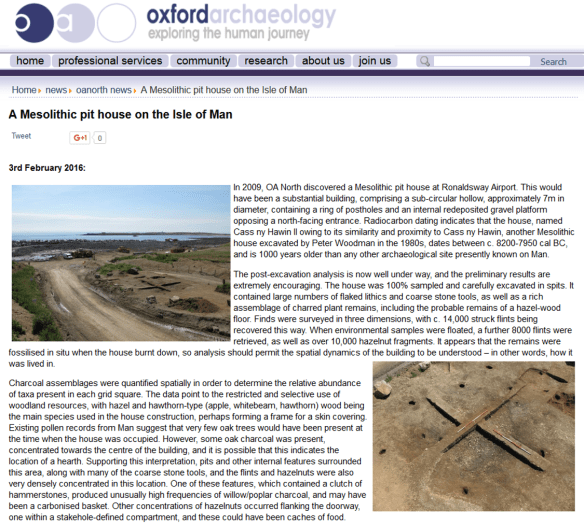
The Early Lateness of Being | Mesolithic pit house at Ronaldsway Isle of Man

OAN_Ronaldsway◊ Dear Microburins,

The folks at Oxford Archaeology North have just offered us a hint of a spectacular Mesolithic find at Ronaldsway airport, Isle of Man, excavated in 2009—and during night shifts due to this being an airport. Some of you may have had the pleasure of lectures by Microburin friends Fraser Brown and Antony ‘Dick’ Dickson. This discovery is named Cass ny Hawin II since a similar structure was excavated by Peter Woodman in the 1980s.

A 7m diameter pit hut with a hazel floor included lithics of a ‘narrow blade’ (later Mesolithic) technology. Radiocarbon determinations suggest activity around 8200-7950 cal BC, and so this is a very early ‘Late Mesolithic’ occupation. The dates, and nature of the evidence, are comparable with structures recently discovered at Low Hauxley¹ and Howick on today’s Northumberland coast, similar structures at East Barns and Echline in southern Scotland, and hints of something similar (but early 20th-century excavations in sand dunes) on the south Durham Coast at Crimdon Dene.

¹ Full publication anticipated later in 2016 by Archaeological Research Services Ltd.

Some archaeologists posit that these provide evidence for an immigration, or movement of ‘refugees’, from the drowning Doggerland landmass, inundated by the North Sea through the eighth to seventh millennium BC.

Spence