Dear microburins,

The “vertical pier” now Redcar Beacon | Photo Peter Robinson CC2.0
There aren’t many of us who blog about the Mesolithic, even fewer in north-east England. Here’s the latest read by These Bones of Mine (click to read) that calls out the pain and challenges of reduced heritage funding in the north-east. Heritage—sites, monuments, natural beauty, great museums, community projects—draw visitors and tourists who spend cash in the region. Most of our museums are free. There’s perhaps no fair balance between austerity and the need for inward investment (i.e. tourism and foot-fall generation), but many of us feel the knee has jerked too far in the wrong direction.
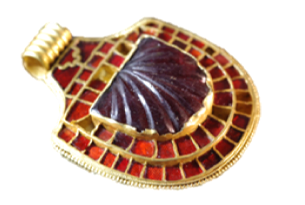
Economic recovery needs growth; growth needs nurturing and investment rather than continuous attrition? Social cohesion, a sense of belonging, societal participation and pride, “skin in the game” also require imaginative cultural and educational investment. So, for example, there are no museum-based archaeologists in the Tees area any more and two borough councils have no archaeological service whatsoever—including the one where the Saxon jewels and Roman villa were recently discovered. Ironic? They decided to spend tax-payers’ money on a “vertical pier”. Controversial?
 Perhaps there’s a sense of inevitability in a political climate where invasive development takes precedence over cultural asset management, social sciences and history are being side-lined in the curriculum, libraries are seen as liabilities, and heritage services are still being closed (Southampton is the latest)?
♦ Spence

 microburin